
Cross-Team Expectations
During the initial month of work here, I proactively engaged with various teams to conduct a survey and gather their expectations. This process aimed to identify how the UX/UI team could best support their needs, reduce their workload, and address any pain points. The insights gathered from this feedback were crucial for refining our team's processes and establishing a more collaborative and efficient working relationship.

Design Process
I established a clear and systematic UX/UI design process to ensure that all team members worked toward a unified vision. This involved defining workflows, setting standards, and facilitating continuous collaboration with other cross-functional teams to align on a shared understanding of the product and its goals.

Design Structure
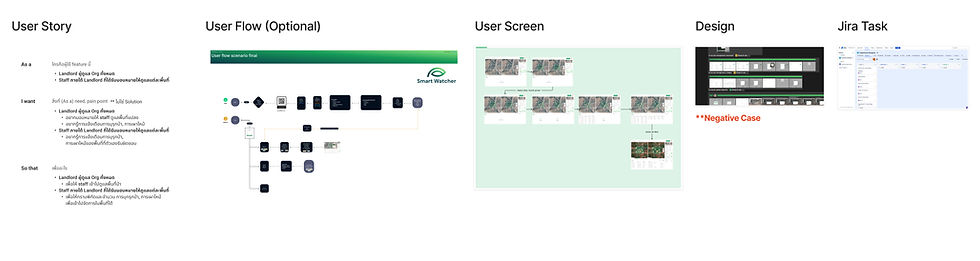
I was responsible for defining the overall design structure for the product ecosystem. This included selecting the Design System and Component Libraries to be used across all products. My focus was on creating a cohesive and scalable framework, ensuring that all products could be designed in a consistent manner and function as a unified system.

Capacity and Allocation Planning
I was responsible for strategic resource planning and allocation, which involved:
-
Forecasting Team Needs: Evaluating the workload and identifying the number of UX/UI designers required for each project.
-
Role Assignment: Assigning specific team members to products based on their skills and the project's requirements.
-
Resource Optimization: Continuously monitoring resource utilization to optimize team capacity and ensure efficient workflow, preventing bottlenecks and burnout.
-
Sprint Wrap-up: I led this session to review and summarize the work completed during each sprint. This ritual facilitated clear communication within the cross-functional team, allowing us to align on achievements, identify any remaining issues, and ensure a smooth transition to the next phase of work.
-
Design Sync & Evolve: This session was a key component of my leadership, where I facilitated discussions and collaboration among the design team. The goal was to align the team's efforts, review design decisions, and continuously evolve our design processes to improve efficiency and maintain consistency across the entire product ecosystem.
-
Handoff: I defined and led the handoff process to ensure a seamless transition of design work to the development team. This involved providing clear documentation, specifications, and ongoing support to minimize friction and ensure that the final implementation accurately reflected the design intent.
-
UX/UI Exercise: I was responsible for writing and defining the UX/UI exercises used to assess candidates during the recruitment process. The exercises were designed to evaluate a candidate's design thinking, problem-solving abilities, and practical skills, ensuring we onboarded talented designers who were a strong fit for the team's culture and work standards.


OKR Setting
I implemented and managed the OKR (Objectives and Key Results) framework for the design team. I was responsible for setting overarching team OKRs and collaborated with each team member to define their individual OKRs. This process ensured that the team remained aligned on our strategic goals, understood the broader vision of the product, and had a clear roadmap for their own professional growth and contributions.

Ideate Session
Whenever new features were being designed or existing ones were being improved, I led brainstorming and ideation sessions. During these sessions, we collaboratively generated and drafted new ideas to be discussed and further developed with all relevant teams before moving into the actual implementation phase.

Product Ecosystem Overview
To ensure a unified vision, I created an overview that illustrated the relationships between our core products: Smart Forest, Forest of Tomorrow, and Smart Watcher. This visualization was designed to help all teams and the wider organization understand how these products function together as a cohesive ecosystem, rather than as isolated tools.

Mentorship of Usability Testing
I spearheaded the internal adoption and execution of Usability Testing, providing the team with necessary mentorship and knowledge transfer.


Hotjar And Google Analytic Observation
I spearheaded the initiative and technical installation of both Hotjar and Google Analytics on the platform. By integrating and utilizing these tools, I gained a holistic understanding of user behavior—observing user interactions, including heatmaps, session recordings (Hotjar), and statistical trends (Google Analytics)—which enabled me to identify pain points, validate hypotheses, and make informed, data-driven decisions for future product development.

Workshop & Share Knowledge
I initiated and led workshops and knowledge-sharing sessions to enhance collaboration and technical capabilities across teams. Key initiatives included:
-
Card Sorting Workshop: I organized a card sorting workshop with various teams to collaboratively apply UX methodologies. This session was instrumental in informing product development decisions and preparing for subsequent external user research.

-
Google Analytics & Hotjar 101: I conducted a knowledge-sharing session to provide a foundational understanding of Google Analytics and Hotjar for the Business and UX/UI Designer teams. The goal was to equip them with the basic knowledge and skills to utilize data and insights from these tools effectively in their work.


